Walking along the trail around Namsan West, you can experience the saying, "The history of Silla begins on Namsan and ends on Namsan." You will encounter the wellspring Najeong, which is associated with the birth myth of Park Hyeokgeose, the founding father of Silla, as well as his tomb at Oreung Royal Tombs.
Another significant place along the trail is the Changrimsa Temple Site, which is said to have been the site of the early Silla palace. It also encompasses the Poseokjeong Pavilion, which holds the memories of the final pages of Silla's history. The "Samneung Trail" on the Namsan West connects these historical sites that showcase the rise and fall of the Silla dynasty. I recommend setting aside half a day to walk along the trail and explore these meaningful places leisurely.
encounters both the beginning and the end of Silla Dynasty history
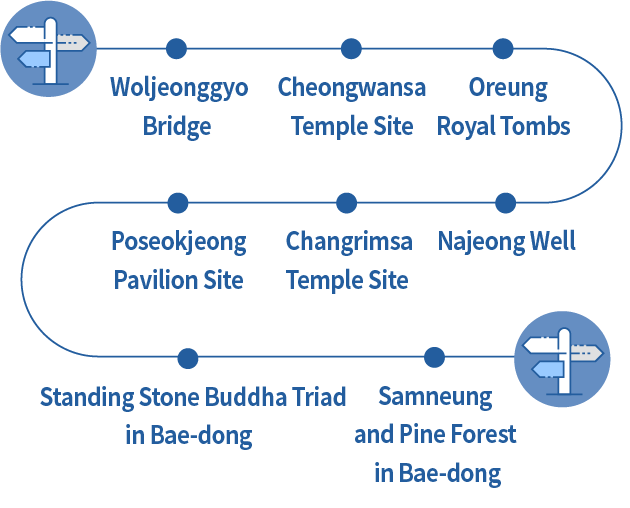
A walking tour course at a glance

nullA walking tour course
 (NULL)
- Itinerary Difficulty: :The majority of the course consists of flat terrain with very little incline.
- Itinerary Length and Duration :Approximately 8km (one-way) with a total duration of around 3 hours, including sightseeing time.
- Itinerary Starting Point :Gyo-dong, Gyeongju-si. 274, Woljeonggyo Bridge
- Itinerary Route :Woljeonggyo Bridge → Cheongwansa Temple Site → Oreung Roal Tombs → Najung Well → Changnimsa Temple Site → Poseokjeong Pavilion Site → Standing Stone Buddha Triad in Bae-dong → Samneung and Pine Forest in Bae-dong
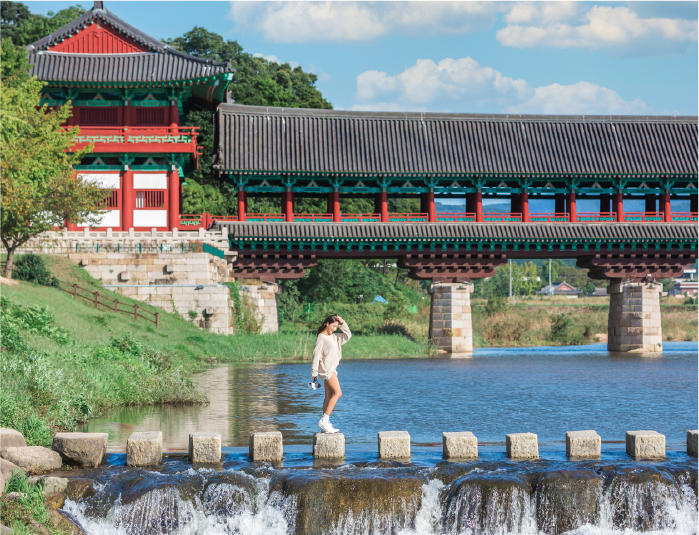
 Woljeonggyo Bridge

- The starting point of Namsan Dulle Trail
- It serves as a bridge connecting Wolseong Fortress, the royal palace of the Silla Dynasty, and the southern part of Silla's capital, serving as a gateway, even to this day.
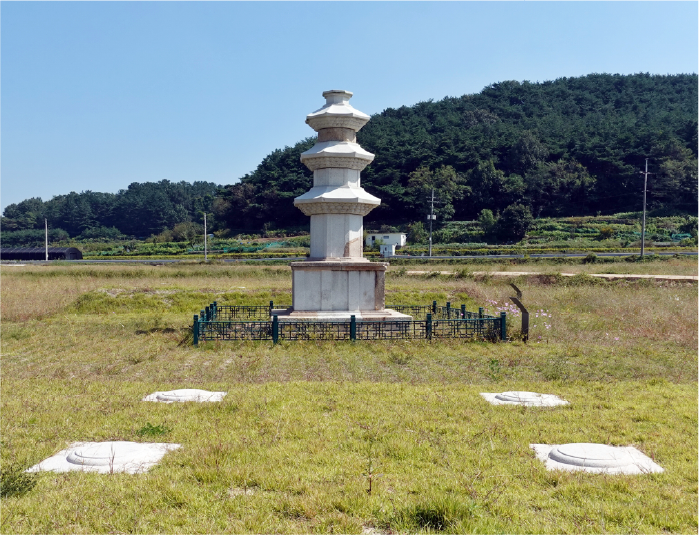
Cheongwansa Temple Site
- The location where Cheongwansa Temple, a temple from the Unified Silla era, once existed.
- A place where the heartbreaking love story of General Kim Yu-sin, a key figure in the unification of the Three Kingdoms, is embedded.
- This temple was built to honor the spirit of Cheongwannyeo, who passed away with sorrow.
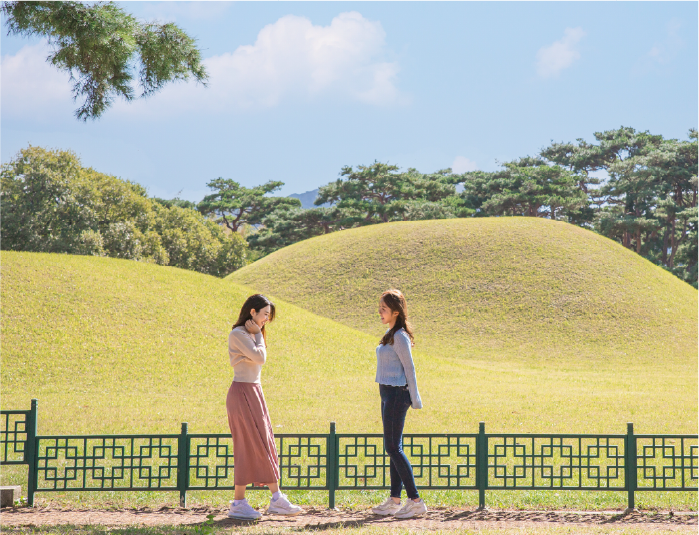
Oreung Royal Tombs
- It is called Oreung because it has five tombs.
- They are believed to be the tombs of King Park Hyeokgeose, the founder of the Silla Dynasty, his wife Queen Alryeong, and Kings Namhae, Yuri, and Pasa.
- There is also Alryeongjeong, a well that preserves the birth legend of Queen Alryeong.
- Adjacent to the royal tombs, pleasant walking trails through pine forests and bamboo groves are perfect for a leisurely stroll.
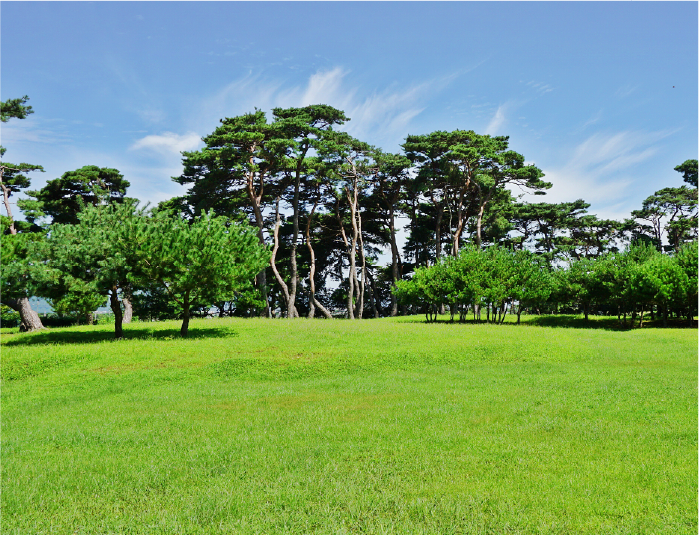
Najung Well
- The wellspring that embodies the birth legend of Park Hyeokgeose, the founding father of the Silla Dynasty.
- Born from an egg resembling a gourd, he took on the surname Park (朴).
- He was named Hyeokgeose (赫居世), meaning "to illuminate the world."
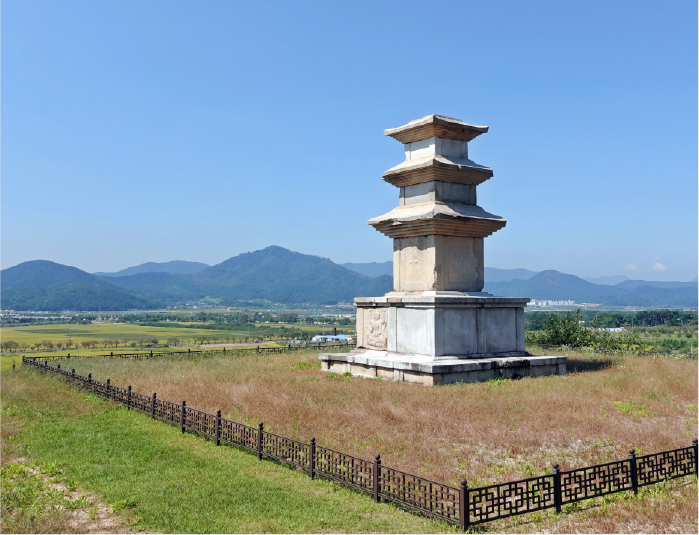
Changnimsa Temple Site
- A place recorded as the earliest palace site of Silla in the historical record "Samguk Yusa."
- Located on the gentle slope of Namsan Mountain, it features temple ruins and one stone pagoda.
- Enjoy the breathtaking panoramic view from the open hillside in front of Namsan Mountain.
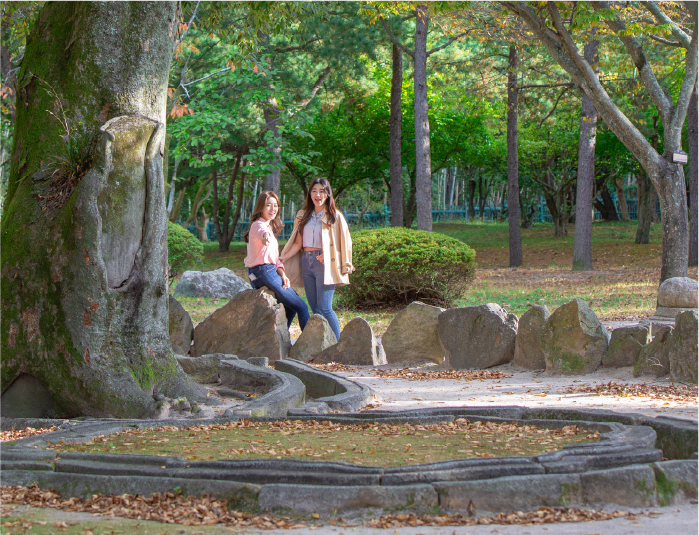
Poseokjeong Pavilion Site
- A place where entertainment and important state affairs were conducted during the Silla Dynasty.
- It is one of the representative autumn foliage spots, displaying vibrant colors during the fall season.
- The stone artifact called "Yusangoksu," designed with curved lines to allow liquor to flow along its path.
- It is known as the oldest surviving stone artifact of its kind in Northeast Asia.
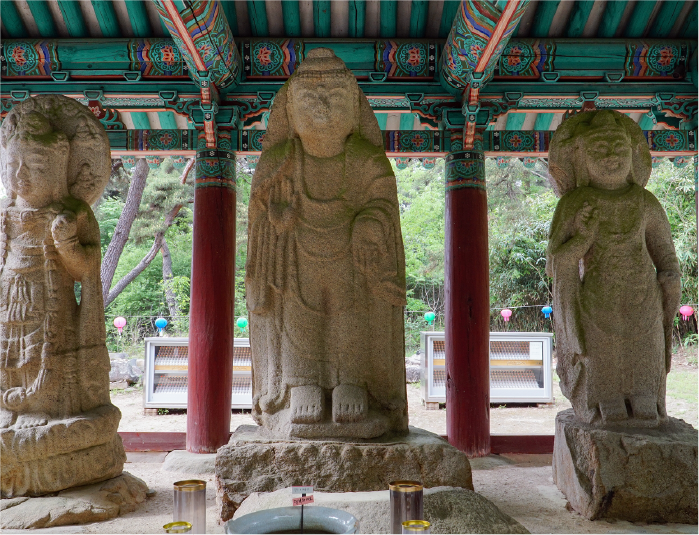
Standing Stone Buddha Triad in Bae-dong
- Three Buddhist statues located at the beginning of the Namsan Mountain Trail near Sambulsa Temple.
- They are regarded as representative works of Silla Buddhist statues from the early 7th century.
- The statues exude a childlike innocence with their heavenly smiles and round, ample lines, creating a sense of closeness.
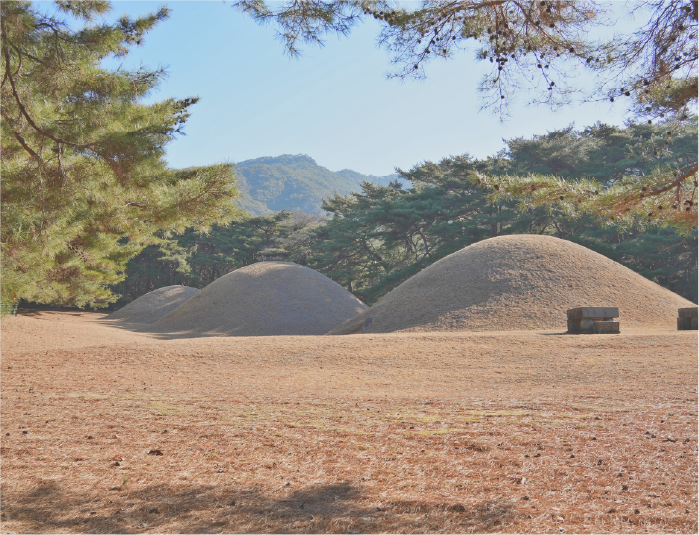
Samneung and Pine Forest in Bae-dong
- Samneung in Bae-dong, located in the midst of the forest, consists of three royal tombs aligned in an east-west direction.
- The tombs belong to King Adalla, the 8th ruler of Silla, King Sindok, the 53rd ruler, and King Gyeongmyeong, the 54th ruler.
- The serene forest of Samneung in Bae-dong is adorned with winding pine trees.


