We embark on a journey to meet Queen Seondeok, the 27th ruler of Silla and the first recorded queen in the history of the Korean Peninsula. However, describing Queen Seondeok solely based on her title as the first queen would be insufficient, as her legacy goes beyond that. It is because she left a monumental legacy during her reign of approximately 15 years.
From the construction of Cheomseongdae, the oldest astronomical observatory in East Asia, to the creation of the multi-tiered wooden pagoda at Hwangnyongsa Temple, Queen Seondeok has left behind many stories in the history of Silla.
Let's embark on a bicycle journey to trace the footsteps of Queen Seondeok and create a wonderful half-day travel course.
Bike tour following the footsteps of Queen Seondeok
at a glance

Bike Tour following the footsteps of a queen
Theme travel following Queen Seondeok, the first queen of Silla
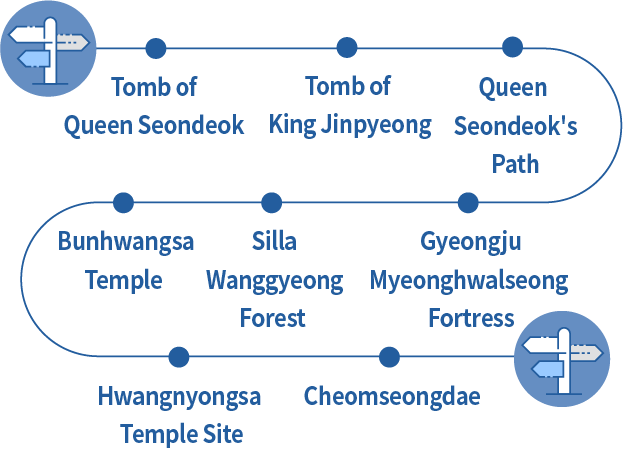
 Bike Tour following the footsteps of a Queen Seondeok
- Itinerary Difficulty: :Some sections have slopes
- Itinerary Length and Duration :Approximately 11km / Half-day, including sightseeing time
- Starting Point :Tomb of Queen Seondeok
- Itinerary Route :Tomb of King Jinpyeong → Queen Seondeok's Path(Supmeori Embankment Trail) → Gyeongju Myeonghwalseong Fortress → Silla Wanggyeong Forest → Bunhwangsa Temple → Hwangnyongsa Temple Site → Cheomseongdae
 Before your trip, what is Tasilla?
Tasilla refers to the public bicycle service in Gyeongju. As it is a bicycle specifically used in the millennium-old city of Gyeongju, its name was chosen to sound similar to "Silla," reflecting the pronunciation. Additionally, asking if you should "ride Tasilla" also carries the meaning of inquiring about using public bicycles in Gyeongju. With the hope of serving as a convenient means for Gyeongju travel, the Tasilla service was introduced. It aims to become a convenient transportation option, connecting various attractions and enhancing the overall travel experience in Gyeongju.
How do I use Tasilla?
Renting and returning Tasilla bicycles can be unattended through the Tasilla mobile application. In the Tasilla app, you can check their location, find the nearest rental stations, and see the availability of bicycles for rent.
You can easily rent bicycles at affordable prices after signing up and purchasing a membership plan since Tasilla is a public bicycle service.
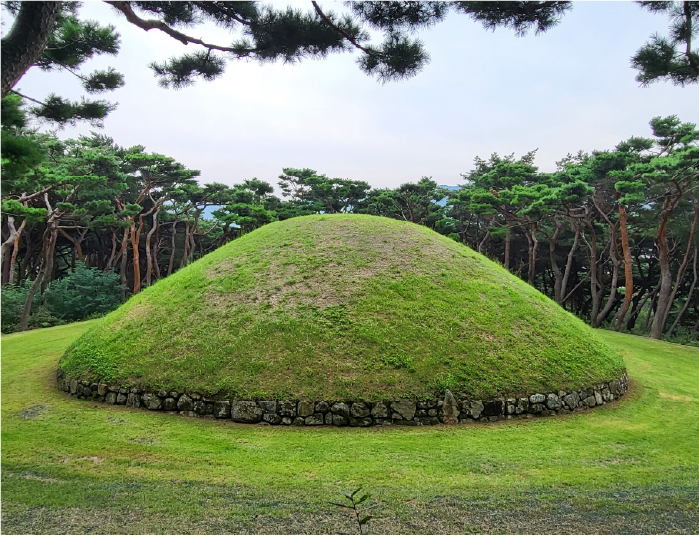
 Tomb of Queen Seondeok

- According to legends, Nangsan Mountain, also known as "Shinyurim," was believed to be a place where the gods of the Silla era descended and played.
- Following the quiet forest path amidst the tranquil pine forest leads you to the summit of Nangsan Mountain, where the tomb of Queen Seondeok is located.
- It is a place that exudes an endlessly serene and peaceful atmosphere.
- It takes about 3km to travel from downtown to Nangsan Mountain, where the tomb of Queen Seondeok is located.
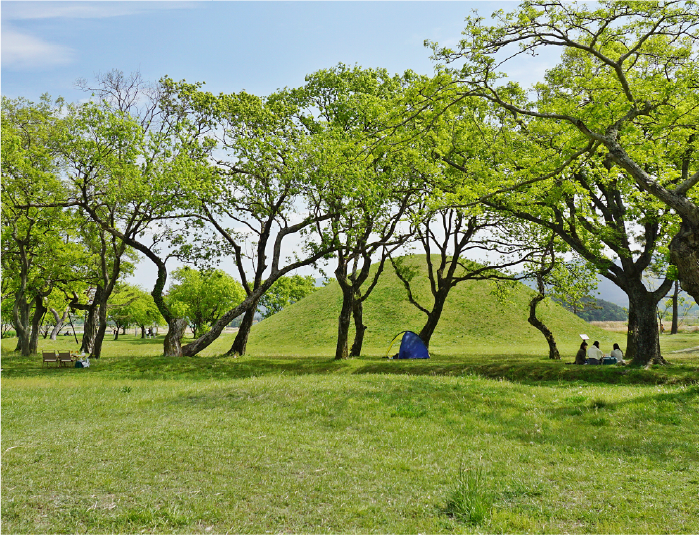
Tomb of King Jinpyeong
- The tomb of King Jinpyeong, the 26th ruler and the father of Queen Seondeok
- Located in the middle of a serene hill in Namchon Stream, the tomb possesses an imposing presence even without elaborate decorations.
- It is known as an excellent spot for picnicking.
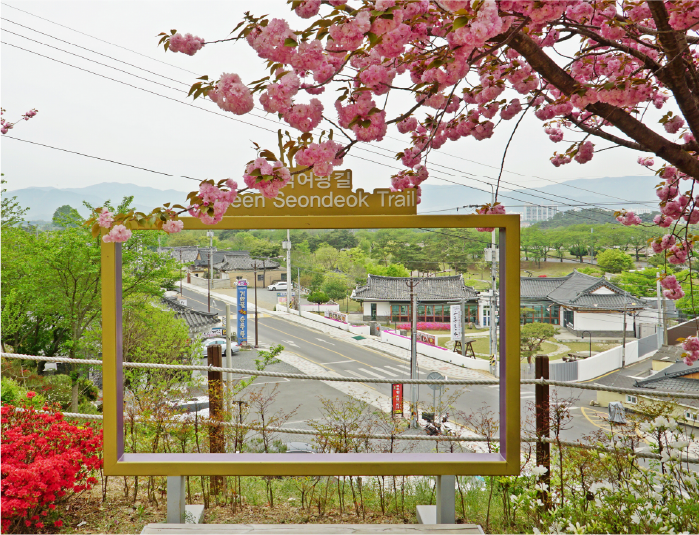
Queen Seondeok's Path
- A 2km walking trail connecting Gyeongju Myeonghwalseong and King Jinpyeong's tomb.
- In spring, it becomes a hidden cherry blossom spot where blossoms bloom abundantly.
- It is located behind the Traditional Food Village at the forest entrance, also known as the Supmeori Embankment Trail.
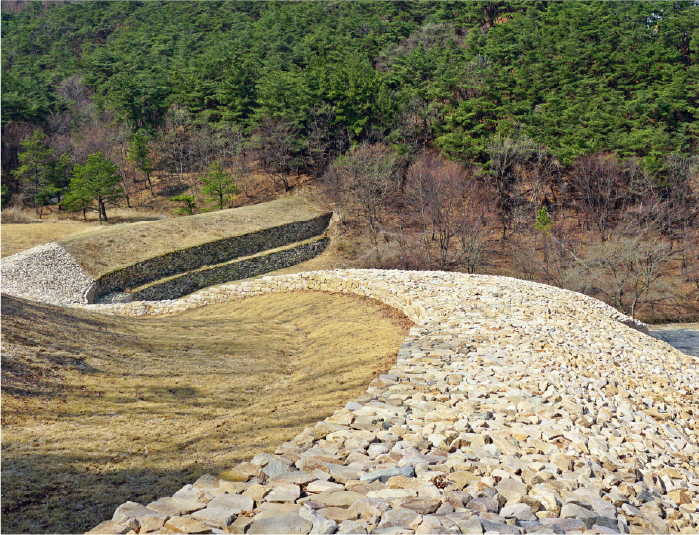
Gyeongju Myeonghwalseong Fortress
- A fortress built on the summit of Myeonghwalsan Mountain during the Silla Dynasty.
- It played a crucial role in defending the eastern side of Geumseong, the capital of Silla.
- It has a historical significance as the site where the rebellion of Sangdaedeung Bidam occurred, which was suppressed by General Kim Yu-sin.
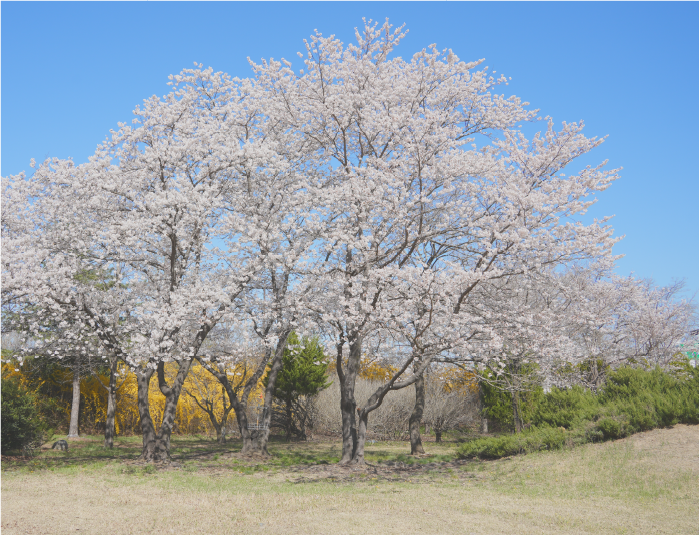
Silla Wanggyeong Forest
- A forest that stretches from the Guhwanggyo Bridge Intersection near Bunhwangsa Temple to the Supmeori Traditional Food Village.
- It is a place that recreates the Orisu, an anti-flood forest during the Silla Dynasty.
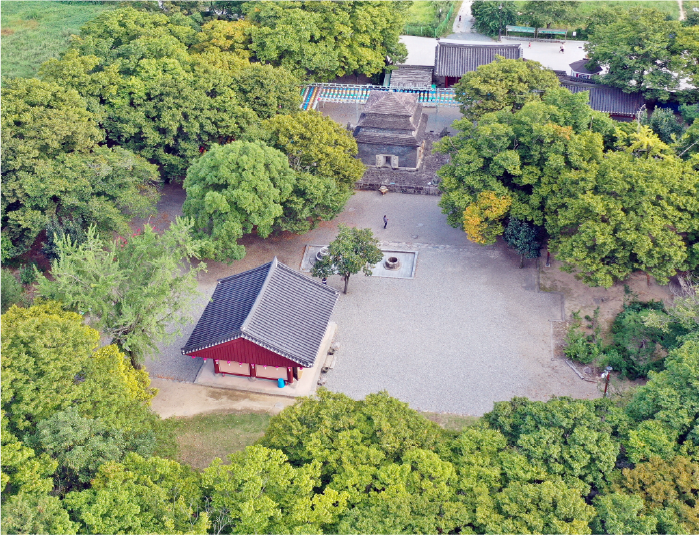
Bunhwangsa Temple
- Fragrant Emperor's Temple, Bunhwangsa (芬皇寺)
- It is said to have been established during the reign of Queen Seondeok.
- The name "Bunhwangsa Temple" was given in response to the gift of a flower painting without fragrance from Emperor Taizong of the Tang Dynasty.
- It is a wishing spot where the legend of Queen Cheonsu, who granted the wish of Hee-myeong, the mother of a blind child, is handed down.
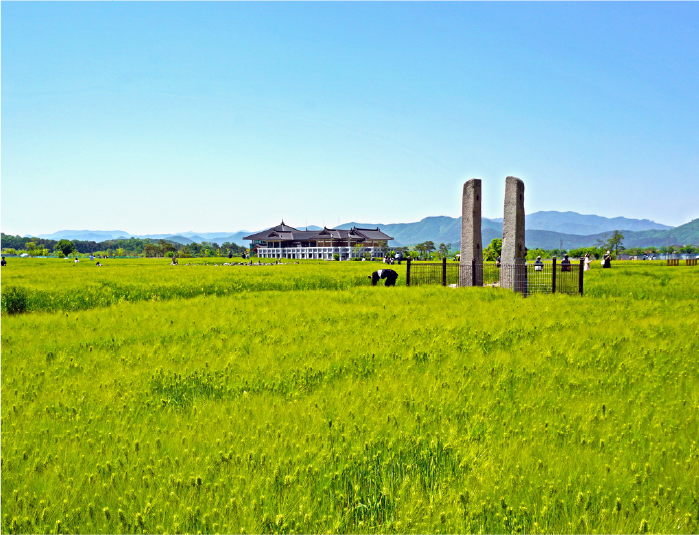
Hwangnyongsa Temple Site
- Nine-Story Pagoda, an 82m-high structure that exists only in history due to the Mongol invasion
- It was started during the reign of King Jinheung of Silla and completed by Queen Seondeok by erecting a nine-story wooden pagoda.
- It embodies the aspiration of blocking the threats from nine neighboring countries of Silla through the power of Buddhism.
- You can see a scaled-down replica of the nine-story pagoda adjacent to the Hwangnyongsa Museum.
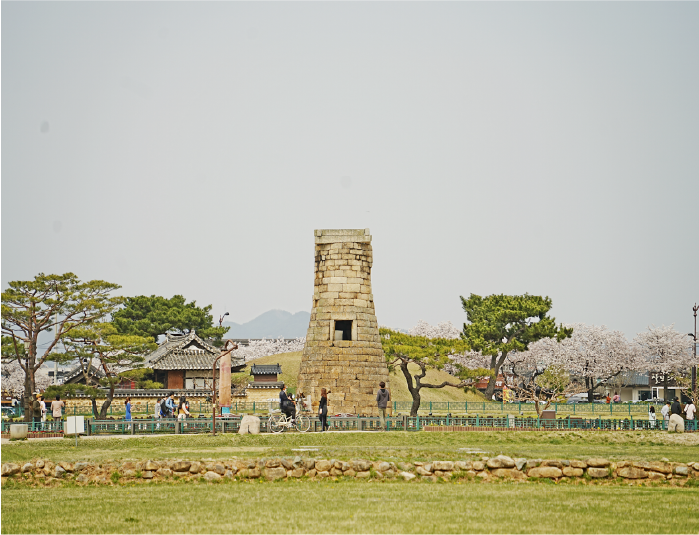
Cheomseongdae
- The oldest astronomical observatory in the East, built during the reign of Queen Seondeok.
- We recommend marking the end of your journey with the dazzling night view of Cheomseongdae, the landmark of Gyeongju.


